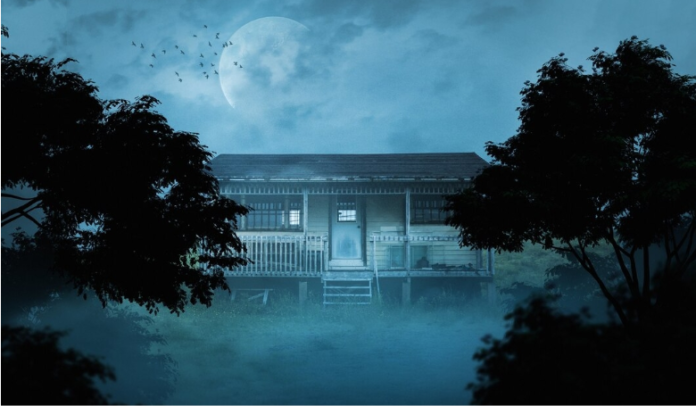

Haunted entertainment has fascinated many people. The excitement of stepping into the unknown place, feeling a rush of fear, and experiencing something mysterious draws the attention of spook lovers.
A well-designed haunted house attraction is an exceptional environment where every detail works together to create suspense and curiosity. Visitors often expect thrills, but the most memorable haunted experiences go far beyond simple jump scares.
Designers carefully combine atmosphere, storytelling, lighting, sound, and human interaction to create a remarkable journey. The following are 4 elements that make haunted attractions more captivating and unforgettable for visitors. Read on.
Atmospheric Set Design That Builds Fear Naturally
The foundation of every successful haunted attraction lies in its physical environment. Set design determines the visitor’s first impression and determines how believable the entire experience feels. When guests walk through the entrance, they immediately start observing their surroundings.
Every detail contributes to the emotional response they feel. Designers build narrow corridors, uneven floors, broken furniture, and decaying walls to create a sense of discomfort.
Old wooden structures, cracked paint, and cobweb-covered ceilings give the impression that the building has been abandoned for decades. Even subtle details such as rusted door handles or flickering lanterns add realism.
Exclusive Storytelling That Attracts Visitors
While visual design creates the environment, storytelling gives meaning to every space inside the attraction. Without a narrative, rooms may appear visually impressive but emotionally empty. A compelling story ties everything together and allows visitors to interpret what they see.
Storytelling works best when it unfolds gradually. Instead of revealing everything at once, the attraction reveals small hints along the path. Visitors may notice old newspaper clippings, diary pages, warning signs, or mysterious symbols.
Each clue builds curiosity and encourages guests to build the narrative themselves. When people actively connect these clues, they become emotionally invested in the experience. Their minds start imagining the characters, events, and hidden secrets behind the scenes.
Strategic Lighting
Lighting is one of the most powerful tools in creating suspense. The human brain reacts strongly to darkness because it limits visibility and increases uncertainty. When people cannot clearly see their surroundings, their imagination begins filling the gaps.
Designers combine dim lighting, shadows, and sudden flashes to control how visitors perceive each room. Instead of bright illumination, small light sources such as lanterns, candles, or flickering bulbs create uneven brightness. These light variations form deep shadows that distort shapes and movement.
Shadows can turn ordinary objects into frightening figures. A simple chair might appear like a horrifying creature when light hits it from an unusual angle. This visual illusion triggers curiosity and tension at the same time.
Sound Effects and Audio Design
Sound plays an important role in shaping emotional reactions. Even when visitors cannot see something, they often hear it first. This early audio signal prepares the brain for possible danger and builds anticipation.
Effective audio design combines background ambiance with sudden sound cues. Continuous sounds such as wind, dripping water, creaking wood, or distant whispers create a sense of presence throughout the environment. These subtle noises keep visitors alert without irritating them.