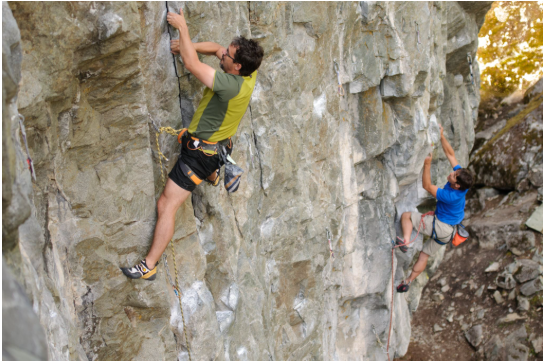

Nepal is one of the most famous destinations in the world for mountain adventure and high-altitude exploration. Known for its breathtaking Himalayan landscapes and world-renowned peaks, climbing in Nepal attracts thousands of adventure seekers every year. From beginner-friendly trekking peaks to challenging mountaineering expeditions, Nepal offers unforgettable experiences for climbers of all skill levels.
The country is home to Mount Everest and many other iconic mountains, making it a paradise for mountain lovers. Along with incredible scenery, climbers also enjoy rich cultural traditions, warm hospitality, and peaceful mountain villages. Whether someone is an experienced mountaineer or trying peak climbing for the first time, Nepal provides the perfect environment for adventure and personal achievement.
Why Choose Climbing in Nepal?
Nepal is globally recognized for its unique mountain geography. The Himalayan range stretches across the country and includes some of the highest mountains on Earth. This natural beauty makes Nepal one of the top destinations for climbing and trekking activities.
One of the main reasons travelers choose climbing in Nepal is the wide variety of peaks available. Climbers can select routes based on their experience, physical fitness, and adventure goals. Some peaks are suitable for beginners, while others require advanced mountaineering skills.
Another important attraction is the opportunity to experience Nepalese culture during the journey. Climbers pass through traditional villages, Buddhist monasteries, forests, and scenic valleys that make the adventure even more memorable.
What is Peak Climbing?
Peak climbing is a form of mountaineering that focuses on climbing smaller Himalayan peaks, often called trekking peaks. These peaks are generally easier to climb than major expedition mountains such as Everest or Annapurna.
Peak climbing is perfect for adventure travelers who want to experience high-altitude climbing without facing extremely technical challenges. Most climbing expeditions combine trekking and mountaineering, allowing travelers to enjoy both natural beauty and adventure.
Peak climbing in Nepal has become increasingly popular because it provides a balance between excitement, challenge, and accessibility.
Popular Peak Climbing Destinations in Nepal
Island Peak
Island Peak is one of the most famous climbing peaks in Nepal. Located in the Everest region, this peak stands at 6,189 meters and is ideal for beginner and intermediate climbers.
The route offers stunning views of Everest, Lhotse, and Ama Dablam. Many climbers choose Island Peak to gain mountaineering experience before attempting larger Himalayan expeditions.
Mera Peak
Mera Peak is the highest trekking peak in Nepal and one of the most rewarding climbing experiences. Standing at 6,476 meters, it provides panoramic views of five of the world’s tallest mountains.
The trail passes through remote valleys, forests, and traditional villages, creating an unforgettable Himalayan adventure.
Lobuche Peak
Lobuche Peak is slightly more technical and suitable for climbers looking for a greater challenge. Located near the Everest Base Camp trail, this peak offers breathtaking scenery and exciting climbing sections.
It is often recommended for climbers who already have basic mountaineering experience.
Best Time for Peak Climbing in Nepal
Choosing the right season is very important for safe and successful climbing.
Spring Season (March to May)
Spring is considered the best season for climbing in Nepal. The weather remains stable, temperatures are comfortable, and mountain views are exceptionally clear. Colorful rhododendron forests also make the trekking routes more beautiful.
Autumn Season (September to November)
Autumn is another excellent season for peak climbing. After the monsoon rains, the skies become clear, and the weather conditions remain ideal for mountain expeditions.
Although winter climbing is possible on some peaks, heavy snowfall and freezing temperatures can make climbing more difficult.
Essential Preparation for Climbing in Nepal
Physical Fitness
Peak climbing requires strength, endurance, and mental preparation. Regular hiking, cardio exercise, and strength training are highly recommended before the expedition.
Proper Equipment
Important climbing gear includes:
- Mountaineering boots
- Helmet
- Ice axe
- Harness
- Crampons
- Warm clothing
- Gloves and sleeping bag
Using the right equipment improves both safety and comfort during the journey.
Acclimatization
High altitude can affect the body quickly. Proper acclimatization is necessary to reduce the risk of altitude sickness. Climbers should take rest days and ascend gradually.
Hire Professional Guides
Experienced guides and porters are essential for a safe climbing experience. They understand mountain conditions, weather changes, and emergency procedures.
Cultural Experience During Climbing Expeditions
One of the most unique parts of climbing in Nepal is the cultural experience. Travelers often stay in local tea houses and enjoy traditional Nepalese meals such as Dal Bhat, momo, and Tibetan bread.
The trekking routes are filled with Buddhist monasteries, prayer wheels, and colorful prayer flags that create a peaceful atmosphere in the Himalayas.
Interacting with local Sherpa communities allows climbers to learn about mountain traditions, spirituality, and the lifestyle of Himalayan people.
Key Points About Climbing in Nepal
- Nepal is one of the world’s best destinations for mountaineering and adventure.
- Peak climbing is suitable for both beginners and experienced climbers.
- Popular climbing peaks include Island Peak, Mera Peak, and Lobuche Peak.
- Spring and autumn offer the best weather conditions for climbing.
- Physical preparation and acclimatization are essential for safety.
- Climbing in Nepal combines natural beauty, culture, and adventure.
Conclusion
Climbing in Nepal is a once-in-a-lifetime adventure that offers excitement, challenge, and unforgettable mountain scenery. The country’s magnificent Himalayan peaks, welcoming culture, and diverse climbing opportunities make it a dream destination for mountaineers from around the world.