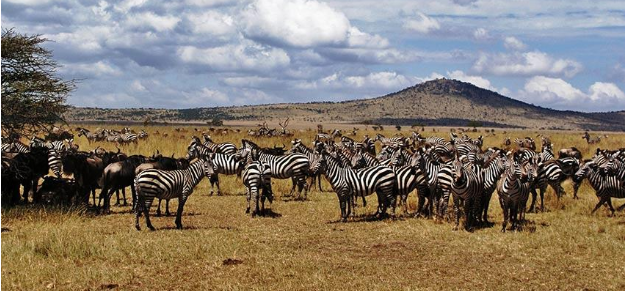

Few natural events on Earth rival the scale, drama, and intensity of the Great Wildebeest Migration. Each year, more than two million wildebeest, zebras, and gazelles traverse the vast plains of northern Tanzania and southern Kenya in a continuous search for fresh grazing and water. At the heart of this epic journey lies Serengeti National Park, the primary stage where this breathtaking wildlife spectacle unfolds.
A Serengeti Great Wildebeest Migration Safari offers travelers a front-row seat to one of the Seven Natural Wonders of Africa. It is not simply a safari—it is an immersion into the raw, untamed rhythm of the wild, where predator and prey engage in a timeless cycle of survival.
This comprehensive guide explores everything you need to know about planning a Serengeti migration safari, including seasonal movements, best viewing locations, accommodation options, travel tips, key takeaways, frequently asked questions, and a professional conclusion.
Understanding the Great Wildebeest Migration
The Great Migration is a year-round, circular movement of animals across the Serengeti ecosystem. Contrary to popular belief, it is not a single event but a continuous journey driven by rainfall patterns and grazing availability.
The migration primarily involves:
- Over 1.5 million wildebeest
- Hundreds of thousands of zebras
- Thomson’s and Grant’s gazelles
- Accompanying predators such as lions, cheetahs, leopards, and crocodiles
The Serengeti provides the majority of the migration’s range, with animals spending approximately eight to nine months within Tanzania before crossing into Kenya’s Maasai Mara.
The Annual Migration Calendar
January–March: Calving Season (Southern Serengeti)
The herds gather in the nutrient-rich short grass plains of the southern Serengeti and Ndutu region. During this period:
- Around 500,000 calves are born within a few weeks
- Predator activity intensifies
- Dramatic hunting scenes unfold
The calving season offers exceptional photography opportunities and high predator-prey interaction.
April–June: The Long Rains and Movement North
As rains taper off, the herds begin moving northwest toward the Grumeti region. River crossings begin, though they are typically less dramatic than later crossings.
Travelers during this time enjoy:
- Fewer crowds
- Lush landscapes
- Large concentrated herds
July–October: River Crossings (Northern Serengeti)
This is the most famous and sought-after phase of the migration. The herds gather near the Mara River, where crocodile-infested waters create intense and unpredictable crossing events.
During this period:
- Massive river crossings occur
- Large Nile crocodiles prey on crossing wildebeest
- Predators lie in wait along riverbanks
This is peak safari season and often requires booking well in advance.
November–December: Return to the South
As short rains begin, the herds gradually return south toward the Serengeti plains, completing the migration cycle.
Why Choose a Serengeti Migration Safari?
1. Unmatched Wildlife Density
The Serengeti ecosystem supports one of the highest concentrations of large mammals on Earth. Beyond wildebeest, visitors may encounter:
- Lions
- Leopards
- Cheetahs
- Elephants
- Giraffes
- Hyenas
- Hippos
The sheer abundance of wildlife makes every game drive dynamic and unpredictable.
2. Dramatic River Crossings
The Mara River crossings are among the most iconic wildlife moments globally. Watching thousands of wildebeest plunge into fast-moving waters while crocodiles strike from below is an experience that few will ever forget.
3. Scenic Diversity
The Serengeti landscape transitions from open savannahs and kopjes (rocky outcrops) to woodlands and riverine forests, creating varied habitats that support diverse wildlife.
Best Safari Options for the Migration
Lodge Safaris
Permanent lodges offer comfort and panoramic views. Many are strategically located along migration routes.
Tented Camp Safaris
Luxury mobile camps relocate throughout the year to follow the herds, providing optimal proximity to wildlife.
Private Safaris
Ideal for photographers and families seeking flexible schedules and exclusive vehicles.
Fly-In Safaris
Internal flights allow travelers to quickly access remote northern Serengeti during river crossing season.
Where to Stay During the Migration
Accommodation selection depends on the time of year:
- Southern Serengeti (Jan–March): Camps near Ndutu
- Western Corridor (May–June): Grumeti region camps
- Northern Serengeti (July–October): Mara River camps
Strategically choosing accommodation near the herds dramatically increases your viewing opportunities.
Combining Serengeti with Ngorongoro
Many migration safaris include a visit to Ngorongoro Crater, known for its dense wildlife population and stunning volcanic landscape.
Ngorongoro offers:
- Reliable Big Five sightings
- Spectacular crater views
- Cultural interactions with Maasai communities
This combination enhances the diversity of your safari experience.
When Is the Best Time to Visit?
The “best” time depends on what you want to witness:
- Calving Season: January–March
- River Crossings: July–October
- Fewer Crowds: April–June
- Balanced Experience: February or September
Peak season (July–October) offers the most dramatic scenes but also higher prices and more visitors.
Photography Opportunities
The migration presents exceptional photography moments:
- Golden-hour herd silhouettes
- Predator hunts
- River crossing chaos
- Newborn calves during calving season
Professional guides understand animal behavior and positioning to maximize photo opportunities.
Conservation and Sustainability
The Serengeti ecosystem is a UNESCO World Heritage Site and plays a critical role in biodiversity conservation. Safari tourism contributes to:
- Anti-poaching initiatives
- Local employment
- Community development
- Habitat protection
Visitors directly support conservation through park fees and responsible tourism practices.
Practical Travel Tips
- Book at least 6–12 months in advance for peak season
- Choose experienced migration-focused guides
- Pack neutral-colored clothing
- Bring high-quality binoculars and camera equipment
- Purchase comprehensive travel insurance
Key Takeaways
- The Great Wildebeest Migration is a year-round movement within the Serengeti ecosystem.
- Calving season (Jan–March) offers intense predator action.
- River crossings (July–October) are the most dramatic phase.
- Strategic accommodation choice enhances viewing success.
- Serengeti safaris can be combined with Ngorongoro Crater.
- Booking early is essential for peak migration months.
- Safari tourism supports conservation and local communities.
Frequently Asked Questions (Q&A)
1. How many wildebeest participate in the migration?
Over 1.5 million wildebeest, accompanied by zebras and gazelles.
2. Is the migration guaranteed?
While the migration is continuous, exact river crossing timing cannot be guaranteed because movements depend on rainfall.
3. How long should a migration safari last?
A minimum of 4–5 days in the Serengeti is recommended, though 7–10 days provides a more comprehensive experience.
4. Is the Serengeti safe for tourists?
Yes. The park is well-managed, and safaris are conducted by trained professionals following strict safety protocols.
5. What is the cost of a migration safari?
Prices vary from mid-range lodge safaris at $350–$600 per person per day to luxury experiences exceeding $1,000 per day.
6. Can families attend migration safaris?
Yes. Many lodges offer family-friendly accommodations and private safari vehicles.
7. Do I need special equipment?
Binoculars, a camera with zoom lens, sun protection, and layered clothing are recommended.
Conclusion
A Serengeti Great Wildebeest Migration Safari is one of the most extraordinary wildlife experiences on the planet. From the synchronized birth of thousands of calves to heart-stopping river crossings filled with tension and triumph, the migration captures the essence of the wild in its purest form.
Beyond the spectacle lies a deeper connection to nature—a reminder of life’s cyclical rhythms and the delicate balance of ecosystems. The Serengeti offers not only dramatic wildlife encounters but also profound moments of reflection amid vast, untouched landscapes.
For travelers seeking adventure, authenticity, and unparalleled natural beauty, witnessing the Great Migration in the Serengeti is not merely a vacation—it is a life-changing journey into the heart of Africa’s wilderness.