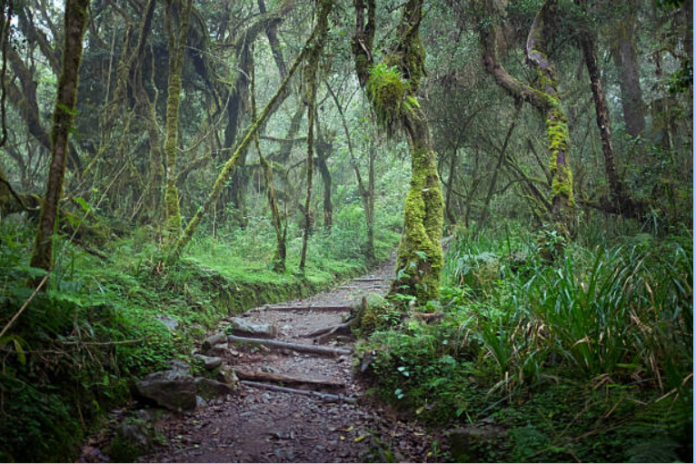

The Machame Route is widely regarded as one of the most scenic and rewarding paths to the summit of Mount Kilimanjaro. Often referred to as the “Whiskey Route,” it offers a challenging yet highly successful ascent profile for trekkers seeking both adventure and panoramic beauty. This route attracts climbers from around the world due to its diverse landscapes, excellent acclimatization opportunities, and relatively high summit success rate.
Overview of the Machame Route
The Machame Route approaches Kilimanjaro from the southwest and typically takes 6–7 days to complete. It traverses a variety of ecosystems—from lush rainforests to alpine deserts—before reaching the icy summit at Uhuru Peak.
- Starting Point: Machame Gate (1,800 meters)
- Summit: Uhuru Peak (5,895 meters)
- Duration: 6–7 days
- Difficulty Level: Moderate to Challenging
- Success Rate: High (especially on 7-day itineraries)
Unlike the more gradual Marangu Route, the Machame Route is steeper and requires better physical conditioning. However, its “climb high, sleep low” approach significantly improves acclimatization.
Detailed Itinerary
Day 1: Machame Gate to Machame Camp
The journey begins in a dense rainforest filled with towering trees, moss-covered paths, and diverse wildlife. Trekkers hike for 5–7 hours to reach Machame Camp at approximately 3,000 meters.
Day 2: Machame Camp to Shira Camp
The trail becomes steeper as it transitions into heath and moorland. Stunning views of the Shira Plateau begin to emerge. The trek lasts around 4–6 hours.
Day 3: Shira Camp to Lava Tower to Barranco Camp
This is a crucial acclimatization day. Climbers ascend to Lava Tower (4,600 meters) before descending to Barranco Camp (3,900 meters). This “climb high, sleep low” strategy helps reduce altitude sickness risk.
Day 4: Barranco Camp to Karanga Camp
The day starts with the iconic Barranco Wall—a steep but manageable scramble. Afterward, the trail undulates through valleys before reaching Karanga Camp.
Day 5: Karanga Camp to Barafu Camp
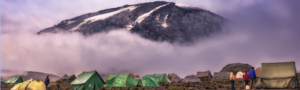
Trekkers ascend to Barafu Camp (4,600 meters), the base camp for the summit attempt. Preparation and rest are essential here.
Day 6: Summit Day (Barafu Camp to Uhuru Peak to Mweka Camp)
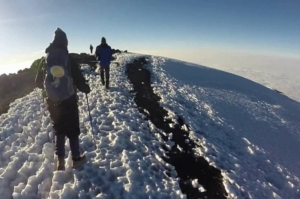
Summit day begins around midnight. Climbers trek through darkness and freezing temperatures to reach Uhuru Peak at sunrise. After celebrating, they descend to Mweka Camp.
Day 7 (Optional): Mweka Camp to Mweka Gate
A final descent through the rainforest marks the end of the journey.
Scenic Highlights
The Machame Route is often praised for its extraordinary scenery:
- Rainforest Zone: Rich biodiversity and vibrant greenery
- Shira Plateau: Expansive volcanic landscapes
- Barranco Wall: A thrilling scramble with breathtaking views
- Alpine Desert: Stark, otherworldly terrain
- Glacial Summit: Ice fields and panoramic views across Tanzania
Compared to routes like the Lemosho Route, Machame offers a slightly more direct but equally scenic ascent.
Difficulty and Fitness Requirements
The Machame Route is considered moderately difficult due to:
- Steep ascents and descents
- Long trekking days (6–8 hours)
- High altitude exposure
Climbers should prepare with:
- Cardiovascular training (running, hiking)
- Strength exercises for legs and core
- Practice hikes at elevation if possible
While technical climbing skills are not required, endurance and mental resilience are essential.
Acclimatization and Altitude Considerations
Altitude sickness is the primary challenge on Kilimanjaro. The Machame Route’s design improves acclimatization through gradual ascent and strategic altitude exposure.
Common symptoms include:
- Headaches
- Nausea
- Fatigue
Preventive measures:
- Stay hydrated
- Ascend slowly
- Follow your guide’s instructions
- Consider medication if advised
Best Time to Climb
The best times to climb Kilimanjaro via the Machame Route are:
- January to March: Cooler temperatures, fewer crowds
- June to October: Dry season with clearer skies
Avoid the rainy seasons (April–May and November), as trails become slippery and visibility decreases.
Advantages of the Machame Route
- High Success Rate: Excellent acclimatization profile
- Stunning Scenery: Diverse ecosystems and viewpoints
- Camping Experience: Immersive outdoor adventure
- Popular Yet Rewarding: Social atmosphere with fellow climbers
Disadvantages
- Physically Demanding: Steeper than some alternatives
- Crowded During Peak Season: Popularity leads to traffic
- Camping Only: No hut accommodations like Marangu
Packing Essentials
A successful climb depends heavily on proper gear:
- Insulated clothing (layers for extreme temperatures)
- Waterproof jacket and pants
- High-quality hiking boots
- Sleeping bag rated for sub-zero temperatures
- Trekking poles
- Headlamp for summit night
Hiring gear locally in Arusha is also an option.
Cost and Logistics
The cost of climbing Kilimanjaro via the Machame Route typically ranges from $1,500 to $3,500 depending on the operator, group size, and included services.
Costs generally cover:
- Park fees
- Guides and porters
- Meals and camping equipment
- Transportation
Flights usually arrive at Kilimanjaro International Airport, the main gateway for climbers.
Key Takeaways
- The Machame Route is one of the most scenic and popular routes on Mount Kilimanjaro.
- It offers a high summit success rate due to its excellent acclimatization profile.
- The trek is moderately challenging and requires good physical preparation.
- A 7-day itinerary significantly increases the chances of reaching Uhuru Peak.
- The route features diverse landscapes, from rainforest to glacier.
- Proper gear, hydration, and pacing are critical for success.
- The best climbing seasons are January–March and June–October.
Frequently Asked Questions (Q&A)
1. How difficult is the Machame Route?
It is considered moderately challenging due to steep sections and altitude, but it is achievable for fit individuals with proper preparation.
2. What is the success rate?
Success rates are around 85–90% for the 7-day itinerary, making it one of the most effective routes.
3. Do I need technical climbing skills?
No technical skills are required. It is a trekking route, not a technical climb.
4. How long does it take?
Most climbers complete the route in 6–7 days, with 7 days recommended for better acclimatization.
5. Is altitude sickness common?
Yes, but the Machame Route’s design helps minimize risks. Proper acclimatization is key.
6. What makes it different from other routes?
Compared to routes like Marangu, Machame offers better scenery and acclimatization but requires camping.
7. Can beginners attempt it?
Yes, but beginners should be physically prepared and ideally choose a 7-day itinerary.
8. What is the best month to climb?
June to October and January to March are ideal due to favorable weather conditions.
Conclusion
The Machame Route stands out as a premier choice for climbers aiming to summit Mount Kilimanjaro. Its combination of scenic diversity, strategic acclimatization, and high success rates makes it particularly appealing to both first-time trekkers and experienced adventurers. While the route demands physical effort and mental determination, the reward of reaching Uhuru Peak—Africa’s highest point—is unparalleled.
By choosing the right season, preparing adequately, and following a well-structured itinerary, climbers can significantly enhance their chances of success. The Machame Route not only offers a path to the summit but also an unforgettable journey through some of the most diverse and dramatic landscapes in the world.