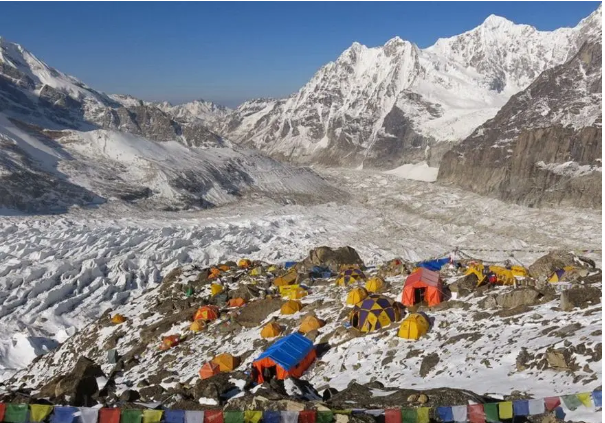

Introduction
The Kanchenjunga Base Camp Trek is one of Nepal’s most remote and rewarding trekking adventures, offering an extraordinary journey through pristine landscapes, traditional mountain villages, and breathtaking Himalayan scenery. Leading to the base of Mount Kanchenjunga (8,586 meters)—the world’s third-highest mountain—this trek is ideal for travelers seeking an authentic wilderness experience away from crowded trekking routes.
Located in the far eastern region of Nepal, the Kanchenjunga Base Camp Trek combines dramatic mountain vistas, diverse ecosystems, and rich cultural traditions. The route takes trekkers through lush forests, alpine meadows, glacial valleys, and high mountain passes while providing opportunities to interact with local Rai, Limbu, Sherpa, and Tibetan communities.
What Is the Kanchenjunga Base Camp Trek?
The Kanchenjunga Base Camp Trek is a challenging long-distance trek that explores the protected Kanchenjunga Conservation Area. Most itineraries last 20 to 26 days, allowing trekkers to visit both the North Base Camp (Pangpema) and the South Base Camp (Oktang).
Unlike Nepal’s more popular trekking routes, the Kanchenjunga region remains relatively untouched, making it a perfect destination for those looking for solitude, unspoiled nature, and a genuine Himalayan adventure.
Key Highlights of the Kanchenjunga Base Camp Trek
- Trek to the base camps of the world’s third-highest mountain.
- Experience remote Himalayan landscapes with fewer trekkers.
- Explore the protected Kanchenjunga Conservation Area.
- Enjoy spectacular views of Kanchenjunga, Jannu, Kabru, and other towering peaks.
- Visit traditional Rai, Limbu, Sherpa, and Tibetan villages.
- Discover glaciers, waterfalls, alpine forests, and high mountain passes.
- Experience authentic local hospitality and unique cultural traditions.
- Observe rare Himalayan wildlife and diverse plant species.
Best Time for the Kanchenjunga Base Camp Trek
Selecting the right trekking season ensures safer trails and the best mountain views.
Spring (March to May)
Spring is one of the best times to undertake the trek. Pleasant temperatures, blooming rhododendron forests, and clear skies create ideal trekking conditions.
Autumn (September to November)
Autumn is the most popular trekking season due to stable weather, dry trails, and outstanding visibility of the Himalayan peaks.
Winter (December to February)
Winter brings heavy snowfall and freezing temperatures at higher elevations. The trek is possible but requires excellent preparation and experience.
Monsoon (June to August)
Monsoon rains can make trails slippery and increase the risk of landslides, making this season less suitable for trekking.
Trek Difficulty
The Kanchenjunga Base Camp Trek is considered challenging because of its length, remote location, and high-altitude terrain.
Trekkers should be prepared for:
- Walking 6 to 8 hours each day.
- Long trekking days over rugged terrain.
- High elevations exceeding 5,000 meters.
- Basic teahouse accommodation in remote villages.
- Limited communication and services along the route.
A good level of physical fitness, previous trekking experience, and proper acclimatization are highly recommended.
Major Attractions Along the Trek
Kanchenjunga North Base Camp (Pangpema)
Situated at approximately 5,140 meters, Pangpema offers spectacular panoramic views of Kanchenjunga’s massive north face, glaciers, and surrounding peaks.
Kanchenjunga South Base Camp (Oktang)
The South Base Camp provides equally stunning views of Kanchenjunga and the impressive Yalung Glacier, making it one of the trek’s most memorable destinations.
Kanchenjunga Conservation Area
This protected area is renowned for its exceptional biodiversity, pristine forests, alpine landscapes, and rare wildlife.
Traditional Mountain Villages
The trail passes through peaceful settlements where visitors can experience traditional architecture, local customs, Buddhist monasteries, and centuries-old Himalayan lifestyles.
Cultural Experience
The Kanchenjunga region is home to a rich blend of ethnic communities, including the Rai, Limbu, Sherpa, and Tibetan peoples.
Throughout the journey, trekkers can experience:
- Traditional Himalayan villages.
- Buddhist monasteries and prayer flags.
- Local festivals and cultural ceremonies.
- Authentic mountain cuisine.
- Warm hospitality from local families.
These cultural encounters create a deeper connection with the region and its people.
Wildlife and Natural Beauty
The Kanchenjunga Conservation Area is one of Nepal’s richest ecological regions, supporting a remarkable variety of flora and fauna.
Wildlife found in the area includes:
- Snow leopard (rare).
- Red panda.
- Himalayan black bear.
- Musk deer.
- Blue sheep.
- Himalayan tahr.
- Numerous bird species.
The landscape continually changes from subtropical forests and terraced farmland to alpine valleys, glaciers, and snow-covered peaks.
Accommodation and Food
Accommodation along the Kanchenjunga Base Camp Trek mainly consists of simple teahouses and community lodges.
Common meals include:
- Dal Bhat (traditional Nepali meal).
- Fried rice.
- Noodles.
- Soups.
- Potatoes.
- Eggs.
- Tibetan bread.
- Tea and coffee.
Facilities become more basic as the trail reaches higher elevations, so trekkers should be prepared for simple yet comfortable conditions.
Essential Packing List
Proper preparation is essential for this remote trekking adventure.
Recommended gear includes:
- Waterproof trekking boots.
- Down jacket.
- Thermal base layers.
- Waterproof outer shell.
- Warm gloves and hat.
- Trekking poles.
- Sleeping bag suitable for cold temperatures.
- Sunglasses with UV protection.
- Water purification tablets.
- Personal first-aid kit.
- Headlamp with extra batteries.
- Reusable water bottles.
- Energy snacks.
Tips for a Successful Kanchenjunga Base Camp Trek
- Begin physical training several weeks before departure.
- Allow sufficient acclimatization to reduce the risk of altitude sickness.
- Hire an experienced licensed trekking guide.
- Pack only essential equipment while keeping your backpack manageable.
- Stay hydrated and maintain a balanced diet during the trek.
- Respect local customs and religious sites.
- Carry cash, as banking facilities are unavailable in remote areas.
- Purchase comprehensive travel insurance that covers emergency helicopter evacuation and high-altitude trekking.
Why Choose the Kanchenjunga Base Camp Trek?
The Kanchenjunga Base Camp Trek offers an unforgettable adventure for trekkers seeking solitude, breathtaking scenery, and authentic cultural experiences. Unlike Nepal’s busier trekking routes, this trail provides a rare opportunity to explore one of the Himalayas’ last great wilderness areas.
Its combination of towering mountains, remote villages, rich biodiversity, and peaceful trails makes it one of Nepal’s most extraordinary trekking destinations.
Conclusion
The Kanchenjunga Base Camp Trek is a remarkable journey into one of Nepal’s most remote and spectacular mountain regions. From towering glaciers and dramatic Himalayan peaks to vibrant local cultures and untouched natural beauty, every stage of the trek delivers an unforgettable experience.
For adventurous travelers looking beyond the well-known trekking routes, the Kanchenjunga Base Camp Trek offers the perfect combination of challenge, discovery, and serenity. With proper preparation, experienced guidance, and respect for the local environment and communities, this incredible Himalayan expedition will become a lifetime memory and one of the most rewarding trekking experiences in Nepal.
If you’re publishing this on a travel or trekking website, I can also produce a 2,500+ word SEO article with optimized headings, FAQs, schema-ready content, meta title, meta description, and naturally integrated keywords to improve search engine rankings.