
Introduction
Nepal is one of the world’s most popular destinations for trekking and mountaineering, attracting adventure enthusiasts with its spectacular Himalayan landscapes, rich cultural heritage, and extraordinary mountain experiences. From scenic walking trails surrounded by snow-covered peaks to challenging high-altitude climbing routes, the country offers adventures for people with different interests and experience levels. Among these remarkable journeys, the Annapurna Base Camp Trek and the Himlung Expedition stand out as excellent opportunities to explore the natural beauty and mountaineering traditions of the Himalayas.
Although both adventures take place in Nepal, they offer different experiences. The Annapurna trek focuses on scenic landscapes, cultural encounters, and high-altitude hiking, while the Himlung Expedition provides a more demanding challenge for mountaineers seeking to develop their climbing experience. Understanding these differences helps travelers choose an adventure that matches their abilities and goals.
Exploring the Annapurna Base Camp Trek
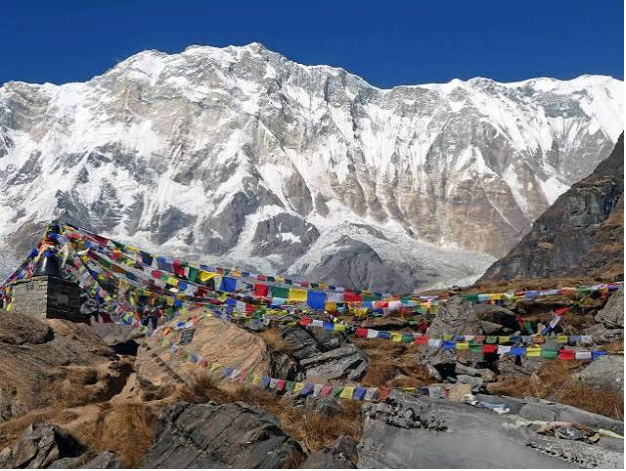
The Annapurna Base Camp Trek is one of Nepal’s most celebrated trekking routes. Located in the Annapurna region, this journey takes trekkers through lush forests, traditional villages, terraced farmland, and dramatic mountain valleys before reaching Annapurna Base Camp at approximately 4,130 meters above sea level.
The trek offers spectacular views of Annapurna I, Machhapuchhre, Hiunchuli, and other impressive Himalayan peaks. As the trail progresses, the scenery changes from green hills and rhododendron forests to rugged alpine landscapes surrounded by towering mountains.
Most itineraries begin around Nayapul, Ghandruk, or another suitable trailhead, depending on the route selected. Popular stops include Chhomrong, Bamboo, Deurali, and Machhapuchhre Base Camp before the final ascent to Annapurna Base Camp. The journey typically takes around seven to twelve days, although the duration varies according to the itinerary, starting point, and acclimatization requirements.
One of the most appealing aspects of this trek is its combination of natural beauty and cultural discovery. Visitors can experience the hospitality of local communities, learn about Gurung and Magar traditions, and enjoy the peaceful atmosphere of mountain villages.
Although the route does not generally require technical climbing skills, trekkers should maintain good physical fitness and prepare for steep ascents, long walking days, and changing weather conditions. Proper footwear, layered clothing, and a well-planned itinerary are essential for a comfortable experience.
Understanding the Himlung Expedition
The Himlung Expedition is an exciting mountaineering adventure in Nepal’s remote Nar-Phu region, near the Nepal-Tibet border. Himlung Himal stands at approximately 7,126 meters and attracts climbers looking for a challenging high-altitude experience in a less crowded part of the Himalayas.
Compared with a trekking journey, climbing Himlung requires significantly more preparation, technical knowledge, and physical endurance. Although it is often considered a suitable option for experienced climbers progressing toward higher Himalayan objectives, it remains a serious mountaineering undertaking with considerable risks.
The expedition generally involves traveling through the remote Manang region and the Nar-Phu Valley before reaching base camp. The approach offers striking views of rugged mountain terrain, traditional settlements, and landscapes that remain relatively untouched by mass tourism.
During the climbing phase, mountaineers may need to use crampons, ice axes, fixed ropes, and other specialized equipment, depending on the route and prevailing conditions. Climbers must also prepare for extreme cold, reduced oxygen levels, unpredictable weather, and altitude-related illnesses.
Acclimatization is particularly important because the summit lies well above 7,000 meters. A carefully planned climbing schedule, experienced guides, suitable equipment, and emergency procedures help manage some of the risks, but no expedition can eliminate them entirely.
For climbers with appropriate experience, the Himlung Expedition offers an opportunity to strengthen mountaineering skills while exploring one of Nepal’s remarkable high-altitude environments.
Key Differences Between the Two Adventures
Although both journeys provide memorable Himalayan experiences, they differ in several important ways.
- Adventure Level: The Annapurna Base Camp Trek is a high-altitude trekking experience, while the Himlung Expedition is a technical mountaineering challenge.
- Physical Preparation: Both require endurance and fitness. However, Himlung climbers need specialized training, climbing experience, and knowledge of high-altitude safety.
- Duration: The Annapurna Base Camp Trek commonly takes seven to twelve days. A Himlung Expedition usually requires several weeks for the approach, acclimatization, climbing rotations, and weather-related delays.
- Landscape and Culture: Annapurna offers established trekking trails, forested valleys, and welcoming mountain villages. Himlung provides a more remote experience featuring high mountain passes, glacial terrain, and the distinctive culture of the Nar-Phu region.
- Safety Requirements: Both adventures involve altitude-related risks, but a Himlung summit attempt carries significantly greater technical and environmental hazards.
Essential Tips for Planning Your Adventure
Preparation is the foundation of a successful Himalayan journey. Before departure, consider the following key points:
- Assess your fitness: Build endurance through hiking, cardiovascular exercise, and strength training.
- Choose a reliable operator: Research experience, guide qualifications, safety procedures, and customer feedback.
- Pack suitable equipment: Use appropriate footwear, layered clothing, and weather-resistant gear.
- Plan for altitude: Follow a gradual ascent and recognize symptoms of altitude sickness.
- Check permits and regulations: Confirm the current requirements for your chosen route with a reputable local operator.
- Respect the environment: Minimize waste, support local communities, and follow responsible trekking and climbing practices.
For the Himlung Expedition, previous high-altitude mountaineering experience is particularly important. Trekkers considering Annapurna Base Camp should also prepare for sustained physical effort and changing mountain conditions.
Conclusion
The Annapurna Base Camp Trek and Himlung Expedition offer two distinctive ways to experience the extraordinary beauty of Nepal’s Himalayas. The Annapurna trek is ideal for adventure enthusiasts seeking breathtaking scenery, cultural exploration, and a rewarding high-altitude hiking experience. In contrast, the Himlung Expedition is designed for suitably experienced mountaineers ready to take on the demanding conditions of a 7,000-meter peak.
Choosing the right adventure depends on your fitness, experience, interests, and preparation. By working with reputable local professionals, planning carefully, and respecting the challenges of the mountains, you can make your Himalayan journey more rewarding and responsible. Whether walking toward Annapurna Base Camp or climbing toward Himlung’s summit, the experience can create lasting memories and a deeper appreciation of Nepal’s remarkable mountain heritage.