
Tanzania is home to some of the most celebrated wildlife landscapes on Earth: the endless plains of the Serengeti, the wildlife-packed caldera of Ngorongoro Crater, and the untouched wilderness of the south. Add to that a growing collection of exquisite camps, private concessions, and world-class guides, and it is easy to see why Tanzania is considered by many to be the finest destination for a luxury safari in Africa.
But “best” depends on what you want. This guide breaks down the top regions, the types of luxury experience on offer, the best time to travel, what it costs, and how to build an itinerary that suits your travel style.
Why Choose Tanzania for a Luxury Safari?
Tanzania combines scale, variety, and reliability in a way few destinations can match. Its protected areas cover a large share of the country, and its northern circuit delivers the Big Five, abundant predators, and the Great Migration in a single trip. The south and west add remote, crowd-free wilderness for travellers who want to feel truly alone in the bush.
The luxury infrastructure has matured accordingly. Visitors can choose from small tented camps, design-led lodges, private villas, and mobile camps that follow the herds. Many properties sit in remote locations, accessed by light aircraft from a network of airstrips, which keeps the experience exclusive and the vehicles few.
Tanzania also offers striking diversity beyond the plains: chimpanzee trekking in the west, the beaches of Zanzibar for a post-safari retreat, and cultural encounters with Maasai and other communities.
What Defines a Luxury Safari in Tanzania?
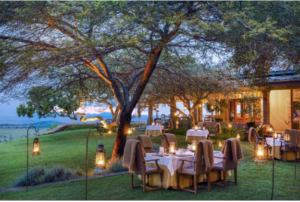
Luxury here is about more than comfort. A genuinely high-end Tanzanian safari typically includes:
- Prime locations. Camps positioned in or beside the best wildlife areas, often in private concessions or on land with exclusive access.
- Small scale. Intimate properties with a limited number of suites, allowing personal service and quiet surroundings.
- Outstanding guiding. Experienced guides who understand animal behaviour, tracking, and photography, and who position vehicles with care.
- Flexible activities. Private vehicles, off-road driving, night drives, and walking safaris where permitted.
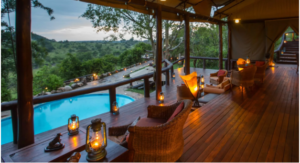
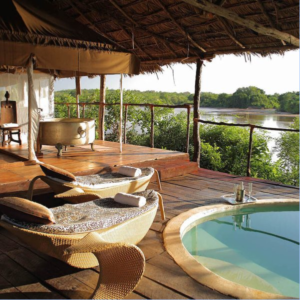
- Refined comfort. Spacious suites, private decks, plunge pools in some camps, excellent cuisine, and thoughtful wine lists.
- Seamless logistics. Charter flights, private transfers, and a single point of contact who handles the details.
The Best Regions for a Luxury Safari in Tanzania
Serengeti National Park
The Serengeti is the crown jewel and the natural heart of any luxury itinerary. Its vast open plains are renowned for lions, cheetahs, leopards, elephants, and the Great Migration. Different areas shine at different times of year:
- Central Serengeti (Seronera): Reliable year-round game viewing and big cats.
- Northern Serengeti: Remote and relatively quiet, with Mara River crossings in the dry season.
- Western Corridor and Grumeti: Grumeti River crossings and private reserves with exclusive activities.
- Southern Serengeti and Ndutu: Calving season from roughly January to March.
Luxury travellers can choose permanent lodges or mobile camps that move with the herds, delivering a classic, romantic safari feel with high comfort.
Ngorongoro Crater and Conservation Area
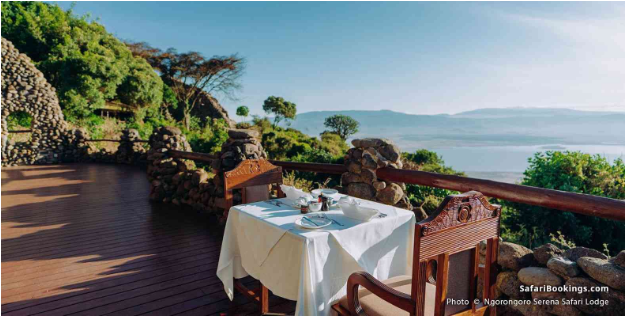
The crater is a natural amphitheatre with a dense concentration of wildlife, including lions, hyenas, elephants, and one of the better chances in Tanzania to see black rhino. Luxury lodges perched on the crater rim offer sweeping views, though a visit to the crater floor itself is usually a half-day, early-morning excursion. Because it is popular, timing your descent early helps you avoid the busiest periods.
Tarangire National Park
Tarangire is famous for its large elephant herds, ancient baobab trees, and a seasonal concentration of wildlife along the river in the dry season. It is an easy and rewarding addition between Arusha and the Serengeti, with excellent lodges set in baobab-studded landscapes.
Lake Manyara and the Rift Valley
Compact and scenic, Lake Manyara offers tree-climbing lions in some areas, flamingos in season, and lush groundwater forest. It makes a gentle introduction to safari life or a pleasant stop on a longer route.
Southern Tanzania: Nyerere and Ruaha
For those seeking solitude, the south is a revelation. Nyerere National Park, formerly part of the Selous Game Reserve, offers boat safaris, walking safaris, and abundant wildlife along the Rufiji River. Ruaha National Park is a rugged, dramatic wilderness known for lions, leopards, wild dogs, and large elephant herds. Both receive far fewer visitors than the north, and luxury camps here deliver a true sense of the wild.
Mahale and Katavi in the West
For intrepid travellers, western Tanzania offers chimpanzee trekking in the Mahale Mountains on the shores of Lake Tanganyika, and the remote wilderness of Katavi, known for its hippos and buffalo. This is an adventurous, off-the-grid luxury experience.
Best Time for a Luxury Safari in Tanzania
Tanzania offers rewarding safari experiences year-round, but timing shapes what you see.
- June to October (dry season): The classic safari window. Vegetation thins and animals gather around water, and Mara River crossings typically occur from about July to October. This is peak season, with the highest rates and the greatest demand.
- January to March: Calving season in the southern Serengeti and Ndutu, with newborn wildebeest and active predators.
- November to December (short rains): Fewer visitors, lush scenery, and good birdlife, with some rain.
- April to May (long rains): The quietest and most affordable period, with dramatic skies and green landscapes. Some camps close, and travel can be slower.
For most first-time visitors, late June to October offers the most dependable game viewing, while January to March is a favourite among photographers.
Signature Luxury Experiences
A high-end Tanzanian itinerary can include far more than game drives:
- Private game drives in a dedicated vehicle with your own guide
- Hot-air balloon flights over the Serengeti plains, followed by a champagne breakfast in the bush
- Walking safaris in select areas, led by experienced armed guides
- Night drives in private concessions where permitted
- Mobile camp stays that follow the migration with full-service comfort
- Boat safaris on the Rufiji River in the south
- Chimpanzee trekking in the Mahale Mountains
- Cultural visits with Maasai communities, handled respectfully and ethically
- Zanzibar beach extensions for relaxation after your safari
What Does a Luxury Safari in Tanzania Cost?
Luxury safaris in Tanzania are priced at a premium, reflecting remote locations, small camps, and all-inclusive service. As a broad guide, high-end camps often range from around 700 to over 2,000 US dollars per person per night, depending on the season, location, and level of exclusivity. Peak migration periods and ultra-exclusive private camps sit at the top of that range, while the green season offers more modest rates.
Prices typically include accommodation, meals, drinks, guided activities, and park fees, though inclusions vary. Light-aircraft transfers, Zanzibar extensions, and special activities such as balloon flights are often additional. Always confirm exactly what is included before booking, and consult a specialist for current pricing.
Sample Luxury Itinerary: 9 Days in Tanzania
A well-balanced first luxury trip might look like this:
- Days 1 to 2: Tarangire. Arrive in Arusha, transfer to a baobab-studded camp for elephants and big landscapes.
- Days 3 to 4: Ngorongoro. Enjoy a rim-top lodge and an early-morning descent into the crater.
- Days 5 to 8: Serengeti. Fly to the Serengeti and spend four nights, ideally split between two camps in different areas, tracking the herds and predators.
- Day 9: Departure. Fly back to Arusha or onward to Zanzibar for a beach finish.
For a wilder alternative, replace the northern circuit with Ruaha and Nyerere, or combine the north with the south for two weeks of contrasting experiences.
How to Choose the Best Luxury Safari for You
- Decide what matters most. Migration, big cats, solitude, or scenery.
- Match the region to the season. The right place at the wrong time can disappoint.
- Prioritise location and guiding. A great guide in a great location transforms a safari.
- Choose camp style. Permanent lodge, tented camp, or mobile camp each offers a different feel.
- Consider your group. Families, couples, and photographers have different needs.
- Use a specialist. An experienced Tanzania safari planner can match camps, guides, and timing to your wishes.
- Book early. The best camps are small and sell out far in advance, often a year or more for peak season.
Travelling Responsibly
Tanzania’s wildlife areas depend on tourism revenue for conservation and community support. Choose operators that employ and train local staff, use solar power and responsible water practices, support anti-poaching efforts, and respect local cultures. Your visit can help protect the landscapes and species that make Tanzania so special.
Conclusion
The best luxury safari in Tanzania is the one that matches your priorities, timing, and sense of adventure. Whether you choose the drama of the Serengeti, the wildlife-rich Ngorongoro Crater, or the quiet wilderness of the south, the country delivers exceptional wildlife, outstanding guiding, and some of Africa’s most beautiful camps. With careful planning and the right specialist, your Tanzanian safari can become a journey you will talk about for the rest of your life.
Key Takeaways
- Tanzania combines the Serengeti, Ngorongoro Crater, and remote southern parks for varied, high-end safaris.
- Luxury means prime locations, small camps, expert guides, and seamless logistics, not just comfortable beds.
- The dry season, June to October, offers the most dependable game viewing, with river crossings from about July to October.
- January to March is ideal for calving and predator action in the south.
- Southern parks like Ruaha and Nyerere offer solitude and a wilder feel.
- Expect high-end camps to cost roughly 700 to over 2,000 US dollars per person per night.
- Book early and work with a specialist for the best camps and guides.
Frequently Asked Questions
What is the best luxury safari in Tanzania? For most travellers, a northern circuit combining Tarangire, Ngorongoro, and the Serengeti, with stays in small, well-located camps, offers the best balance of wildlife and comfort. Those seeking solitude may prefer Ruaha and Nyerere.
When is the best time to visit Tanzania for a luxury safari? June to October is the classic dry-season window, while January to March is excellent for calving. Each period offers a different experience.
How much does a luxury safari in Tanzania cost? High-end camps generally range from roughly 700 to over 2,000 US dollars per person per night, depending on season and exclusivity. Flights, extensions, and special activities may cost extra.
How many days do I need? Seven to ten days works well for a first trip, allowing two or three regions. Two weeks allows combining north and south, or adding Zanzibar.
Is a mobile camp a good luxury option? Yes. Luxury mobile camps offer comfortable tents, excellent food, and the advantage of following the migration, delivering a classic, immersive experience.
Is Tanzania safe for tourists? Safari travel in Tanzania is generally considered safe when you travel with reputable operators and follow your guide’s instructions. Check current government travel advice before departure.
Do I need vaccinations or malaria precautions? Requirements vary, and malaria is present in many safari areas. Consult a travel health clinic well before departure, and check current entry requirements.
Can I combine a safari with a beach holiday? Absolutely. Many travellers finish with a stay in Zanzibar or on another coastal retreat, which makes a relaxing contrast to the bush.
Can children join a luxury safari? Many camps welcome families, though some have minimum ages. Private vehicles and family-friendly activities make a family safari rewarding.