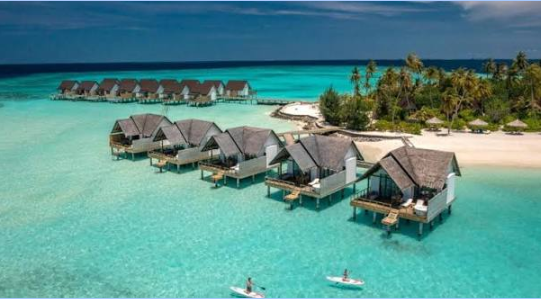

The Maldives is widely recognized for its clear tropical waters, coral reefs, colorful marine life, and diverse underwater landscapes. For travelers who want to explore beneath the surface, Maldives diving resorts provide convenient access to some of the Indian Ocean’s most interesting dive environments.
From beginner-friendly introductory dives to advanced drift dives and multi-day diving programs, scuba diving Maldives experiences are suitable for a range of skill levels. The country’s atolls offer opportunities to encounter reef fish, turtles, rays, reef sharks, and other marine species, although sightings naturally depend on location, season, and ocean conditions.
Choosing the right resort, dive center, season, and certification program can make a significant difference to the overall experience.
Why Choose Maldives for Scuba Diving?
The Maldives consists of numerous coral islands and atolls surrounded by the Indian Ocean. Its underwater environment includes coral reefs, channels, walls, pinnacles, lagoons, and open-ocean areas.
This variety creates opportunities for different types of diving.
Depending on the location, divers may encounter:
- Reef sharks
- Manta rays
- Sea turtles
- Eagle rays
- Stingrays
- Moray eels
- Reef fish
- Tuna
- Octopuses
- Colorful coral communities
Marine life varies between dive sites, and responsible divers should avoid touching coral or disturbing marine animals.
Choosing Maldives Diving Resorts
Not every resort offers the same diving experience. When comparing Maldives diving resorts, travelers should consider the quality and location of the house reef, access to nearby dive sites, equipment availability, instructor qualifications, and the types of diving offered.
Important factors include:
- On-site dive center
- Certified instructors
- House reef access
- Boat diving
- Equipment rental
- Nitrox availability
- Beginner courses
- Advanced certification
- Guided dives
- Dive excursion frequency
- Marine conservation programs
A resort with a convenient house reef can be particularly attractive to divers who want easy access to underwater sites without taking a boat for every dive.
Scuba Diving Maldives for Beginners
The Maldives can be suitable for people who are completely new to scuba diving.
Many resort dive centers offer introductory experiences where beginners learn basic equipment handling, underwater breathing, and essential safety procedures under professional supervision.
Certified courses are also available through recognized diving organizations at participating centers.
Beginners should select programs based on their experience and comfort level rather than trying to complete advanced dives immediately.
A professional instructor can recommend suitable sites according to depth, currents, visibility, and individual ability.
Diving for Certified Divers
Experienced divers have access to a much wider range of underwater environments.
Depending on the atoll and season, dives may include:
Channel Dives
Channels connect the lagoons with the open ocean and can experience currents that attract larger marine species.
Reef Walls
Vertical reef walls provide opportunities to observe coral formations and marine life at different depths.
Thilas
Thilas are submerged reef structures that can attract large numbers of fish and other marine species.
Drift Diving
Some locations are well suited to drift diving, where divers move naturally with the current while observing the reef.
Because currents can vary, divers should always follow local guides and dive-center instructions.
Manta Ray Experiences
Manta rays are among the most exciting marine animals encountered in the Maldives.
Certain regions are known for seasonal manta activity, particularly around cleaning stations and areas where plankton becomes concentrated.
Some Maldives diving resorts organize dedicated manta excursions when conditions are favorable.
However, marine encounters are never guaranteed. Responsible operators should prioritize animal welfare and follow appropriate viewing guidelines.
Shark Diving in the Maldives
The Maldives is also known for its shark encounters.
Divers may encounter different species depending on location, including reef sharks and other species associated with channels and deeper waters.
Shark encounters should always be approached with respect. Divers should maintain appropriate distances, avoid touching marine animals, and follow instructions from experienced dive guides.
The presence and frequency of particular species can vary according to season, location, currents, and environmental conditions.
House Reef Diving
A house reef is one of the most useful features to look for when choosing a diving resort.
A good house reef allows divers to explore underwater environments directly from the resort, sometimes through shore entry or a short boat transfer.
House reefs can be particularly useful for:
- Beginner divers
- Refresher dives
- Photography
- Night dives
- Independent certified divers
- Short diving sessions
Before booking, ask the resort or dive center about the reef’s accessibility, typical visibility, depth range, and marine life.
Diving Equipment and Facilities
Most established dive centers provide equipment rental, including:
- BCD
- Regulator
- Wetsuit
- Fins
- Mask
- Tank
- Weight system
Some centers also provide dive computers and underwater photography equipment.
Experienced divers who prefer to use their own equipment should check airline baggage allowances and the dive center’s tank specifications before traveling.
Best Time for Scuba Diving Maldives
Scuba diving is possible throughout much of the year, but conditions can vary between seasons and atolls.
The period from approximately December to April is traditionally associated with clearer conditions in many areas. During the wetter southwest monsoon period, plankton-rich water can reduce visibility in some locations but may attract manta rays and other filter-feeding marine life.
Because conditions vary by region, divers should research the specific atoll and resort they plan to visit rather than relying solely on general seasonal information.
Liveaboards vs. Diving Resorts
Travelers have two major ways to explore the Maldivian underwater world: staying at a resort or joining a diving liveaboard.
Diving resorts are suitable for travelers who want a combination of diving and a conventional island holiday. Guests can enjoy beaches, restaurants, spas, and other resort facilities alongside diving.
Liveaboards focus more heavily on diving and can visit multiple dive sites during a single trip.
For travelers who want flexibility and a broader range of sites, a liveaboard can be an interesting option. Those who prefer comfort and land-based accommodation may find a diving resort more suitable.
Safety and Responsible Diving
Safety should always be the priority during scuba diving Maldives experiences.
Divers should:
- Follow their guide’s instructions
- Check equipment before every dive
- Monitor air supply
- Respect depth limits
- Maintain proper buoyancy
- Follow decompression and ascent procedures
- Avoid touching marine life
- Stay within their certification and experience level
- Maintain appropriate surface intervals
- Never dive while impaired by alcohol or other substances
Travelers should also disclose relevant medical conditions to their dive operator and obtain professional medical advice when required.
Marine Conservation
The Maldives’ reefs are valuable ecosystems that support a wide range of marine life.
Responsible diving practices can help reduce environmental damage. Divers should maintain good buoyancy, avoid standing on coral, refrain from collecting marine organisms, and keep a safe distance from animals.
Some resorts and dive centers participate in coral restoration, reef monitoring, marine education, and other conservation programs.
Choosing an operator that emphasizes environmental responsibility can help support the long-term health of the destination’s reefs.
Key Points to Remember
- Maldives diving resorts provide convenient access to coral reefs and a wide range of underwater environments.
- Scuba diving Maldives experiences are available for beginners, certified divers, and advanced enthusiasts.
- House reefs can provide convenient access to marine life without requiring a boat trip for every dive.
- Channel dives, reef walls, thilas, and drift dives offer different underwater experiences.
- Manta rays and reef sharks can be encountered in certain locations and seasons.
- Marine wildlife sightings depend on location, weather, currents, and natural conditions.
- Beginners should dive with qualified instructors and start with suitable sites.
- Certified divers should choose sites appropriate to their training and experience.
- December to April is traditionally associated with clearer conditions in many areas, while monsoon conditions can provide different marine encounters.
- Liveaboards offer access to multiple dive sites, while resorts combine diving with a broader island holiday.
- Responsible diving is essential for protecting coral reefs and marine life.
- Divers should always follow local dive-center safety procedures.
Conclusion
The Maldives offers an extraordinary underwater environment for travelers interested in marine life and tropical reef systems. Maldives diving resorts combine comfortable island accommodation with access to house reefs, boat dives, professional dive centers, and a variety of marine experiences.
For those specifically interested in scuba diving Maldives, the destination offers opportunities ranging from beginner introductions to advanced dives in channels, walls, reefs, and other underwater environments. Manta rays, turtles, reef sharks, colorful fish, and coral ecosystems can make individual dives particularly memorable, although marine encounters can never be guaranteed.
The best diving experience comes from choosing a suitable location, working with qualified professionals, respecting local conditions, and following responsible diving practices. With proper planning and a focus on safety and conservation, a Maldives diving holiday can provide an unforgettable opportunity to explore the remarkable underwater world of the Indian Ocean.