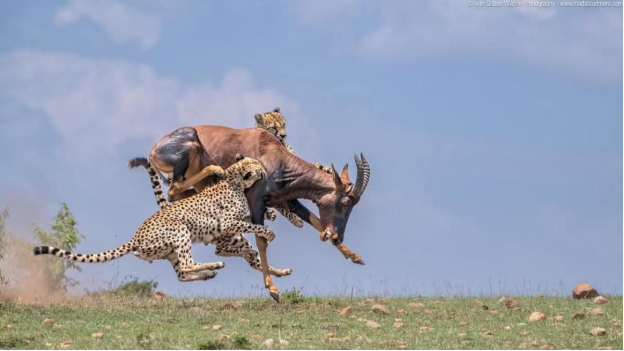

A family safari in Tanzania offers one of the world’s most extraordinary educational and bonding experiences. Witnessing elephants bathing, lions hunting, and wildebeest migrating in their natural habitats creates memories that last lifetimes while teaching children invaluable lessons about wildlife conservation, ecology, and our interconnected world. However, planning a family safari requires different considerations than adult-only trips. This comprehensive guide explores everything you need to know about Tanzania family safari packages to ensure your adventure is safe, engaging, and magical for every family member.
Why Tanzania is Perfect for Family Safaris
Tanzania stands out as one of Africa’s most family-friendly safari destinations for several compelling reasons. The country’s well-developed tourism infrastructure ensures reliable healthcare facilities, experienced family-focused guides, and accommodations designed with children in mind. Tanzania’s political stability and strong tourism sector create a safe environment for traveling families.
The wildlife viewing in Tanzania is simply spectacular and predictable. Unlike some destinations where animal sightings are hit-or-miss, Tanzania’s northern circuit parks offer virtually guaranteed Big Five encounters, meaning children won’t face disappointment. The Serengeti’s vast plains, Ngorongoro Crater’s contained ecosystem, and Tarangire’s elephant herds provide diverse experiences that keep children engaged throughout the safari.
Many Tanzanian lodges and camps have embraced family tourism, creating specialized programs, family suites, swimming pools, and kid-friendly menus. Guides receive training on engaging young travelers, transforming drives into interactive learning experiences rather than passive observation sessions. This professional approach to family safaris sets Tanzania apart from destinations less adapted to children’s needs.
Age Considerations and Recommendations
Children Under 6 Years: Most safari operators set minimum age requirements around 6 years for standard safaris, primarily due to safety concerns and park regulations. However, private family safaris often accommodate younger children with specialized arrangements. Toddlers and preschoolers require more flexible schedules, shorter game drives (2-3 hours maximum), and accommodations near camps to allow nap times and breaks.
Children 6-12 Years: This age group represents the sweet spot for family safaris. Children are old enough to appreciate wildlife, follow safety rules, and maintain focus during game drives, yet young enough to experience pure wonder and excitement. Their natural curiosity makes them excellent safari participants who ask engaging questions and observe details adults might miss.
Teenagers (13+): Teenagers bring different dynamics—sometimes challenging but often rewarding. Engaging teens requires more adventure and activities beyond standard game drives. Walking safaris, photography workshops, conservation projects, and cultural interactions keep older children interested and invested in the experience.
Many operators offer tiered pricing with significant discounts for children. Typically, children under 12 sharing parents’ accommodation receive 25-50% discounts, while teens might get 10-25% off adult rates. Some family-focused lodges offer free stays for young children during low season.
Popular Family Safari Packages and Itineraries
Classic Northern Circuit Family Safari (7-10 Days) represents the most popular choice, combining Tarangire National Park, Lake Manyara or Lake Eyasi, Ngorongoro Crater, and Serengeti National Park. This itinerary offers diverse landscapes and wildlife variety while maintaining manageable driving distances. Prices typically range from $4,000-12,000 per adult depending on accommodation level, with children receiving 25-50% discounts.
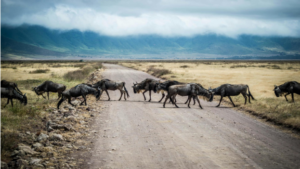
Migration Family Experience (8-10 Days) focuses on witnessing the Great Wildebeest Migration, scheduled during June-October when river crossings provide dramatic viewing. These packages position families at optimal migration viewing points in western or northern Serengeti. The spectacle of thousands of wildebeest crossing crocodile-infested rivers captivates children and adults alike. Expect to invest $5,500-15,000 per adult.
Safari and Beach Combination (10-14 Days) balances wildlife viewing with relaxation, combining 5-7 day safaris with 3-7 days on Zanzibar’s beaches. This combination prevents safari fatigue in younger children while offering variety. Family beach resorts in Zanzibar provide kids’ clubs, water sports, and child-friendly facilities. Total costs range from $5,000-18,000 per adult.
Educational Safari Programs (7-12 Days) incorporate conservation activities, bush skills workshops, and cultural exchanges alongside traditional game drives. Children participate in tracking exercises, learn about ecosystems, visit Maasai villages, and sometimes engage in conservation projects like tree planting. These programs typically cost 10-20% more than standard safaris but provide deeper educational value.
Shorter Family Introductions (4-5 Days) work well for families uncertain about longer commitments or those with very young children. These condensed itineraries focus on 2-3 parks with minimal travel, offering intensive wildlife viewing in short time frames. Prices start around $2,500-6,000 per adult.
Family-Friendly Accommodations
Choosing appropriate accommodation dramatically impacts family safari success. Several accommodation types cater specifically to families:
Family Lodges and Tented Camps offer family suites or interconnecting rooms, typically accommodating 2 adults and 2-3 children. These properties feature swimming pools (essential for afternoon downtime), kids’ menus, early dinner services, and childproofed environments. Examples include Serengeti Serena Safari Lodge, Ngorongoro Sopa Lodge, and various family-oriented tented camps.
Private Houses and Villas provide ultimate flexibility for larger families or those wanting complete privacy. Properties like private houses in the Serengeti allow families to set their own schedules, accommodate extended family groups, and enjoy personalized service. Though more expensive ($1,000-3,000 per night), they offer exceptional value for groups of 6+.
Permanent Tented Camps with Family Tents balance authentic safari atmosphere with family practicality. Large family tents feature separate sleeping areas, en-suite bathrooms, and veranda spaces where children can safely observe surroundings. These camps often position families slightly separated from other guests, reducing noise concerns.
Lodge Selection Considerations should include proximity to airstrips (reducing long drives for restless children), presence of swimming pools, availability of babysitting services, electrical outlets for device charging, mosquito netting, and emergency medical access.
 What Makes Safaris Child-Friendly
Flexible Scheduling proves crucial for family safari success. Unlike rigid adult itineraries with pre-dawn starts and full-day drives, family safaris accommodate children’s rhythms. Many families opt for slightly later morning starts (7:00 AM instead of 6:00 AM), include midday breaks at camp, and shorten afternoon drives. Private safaris offer maximum flexibility.
Engaging Guides transform standard game drives into interactive adventures. Family-specialized guides use age-appropriate language, encourage questions, create scavenger hunts for wildlife spotting, and share fascinating animal facts that captivate young minds. The best guides balance education with entertainment, making children feel included in the safari experience.
Activity Variety prevents monotony. While game drives form the safari core, mixing in other activities maintains engagement. Bush walks (where permitted and age-appropriate), visits to Maasai villages, junior ranger programs, bird watching competitions, and wildlife photography lessons add variety.
Child Safety Measures include proper car seats for younger children, comprehensive first aid kits, guides trained in child safety protocols, and accommodations with secure perimeters preventing wildlife encounters. Reputable family safari operators prioritize these elements.
Educational Components enhance the experience beyond simple wildlife viewing. Children learn about animal behavior, ecosystem interdependence, conservation challenges, and cultural diversity. Many lodges provide junior ranger programs where children complete activities, earn certificates, and gain deeper understanding.
Pricing and Budgeting for Family Safaris
Family safari costs vary widely based on accommodation level, season, duration, and group size.
Budget Family Safaris using basic lodges or camping cost approximately $3,500-5,500 per adult for 7-day trips, with children discounted 40-50%. These safaris utilize standard vehicles, shared game drives, and simpler accommodations but still deliver excellent wildlife viewing.
Mid-Range Family Packages featuring comfortable lodges and tented camps range from $6,000-10,000 per adult for 7-10 days, with children receiving 30-40% discounts. This category offers the best value-to-comfort ratio for most families.
Luxury Family Experiences with exclusive properties, private vehicles, and premium services cost $12,000-25,000+ per adult for 10-day safaris. Children typically receive 20-30% discounts. These packages provide maximum flexibility, exceptional service, and unforgettable experiences.
Cost-Saving Strategies include traveling during shoulder season (November, late January-March) for 20-30% savings, booking family suites instead of multiple rooms, choosing land-based safaris over those requiring multiple flights, and selecting packages with children-stay-free offers during low season.
Hidden Costs to Budget For: Tips for guides and camp staff ($40-70 per day for the family), snacks and drinks outside meal plans, optional activities, souvenirs, travel insurance, and visas ($50-100 per person) can add 15-25% to base package costs.
Best Times for Family Safaris
June through October represents peak family safari season, coinciding with summer school holidays in many countries and optimal dry-season wildlife viewing. The Great Migration spectacle during these months creates incredible viewing opportunities. Expect premium pricing and advance booking requirements (6-12 months ahead).
December through February offers another excellent window, particularly for families on winter breaks. December-January sees wildebeest calving season in southern Serengeti, providing opportunities to witness births and predator action. The weather is generally warm and dry.
March through May (Green Season) presents budget-friendly options with 30-50% discounts, though April sees heavy rainfall. Families willing to accept afternoon showers and occasional road challenges can experience spectacular savings and uncrowded parks.
School Holiday Alignment influences timing for most families. December-January, Easter breaks (March-April), and summer holidays (June-August) see increased family travel. Booking well in advance during these periods ensures availability at family-friendly properties.
Health and Safety Considerations
Vaccinations and Medications: Yellow fever vaccination is required if arriving from endemic countries. Malaria prophylaxis is recommended for safari areas, though discuss child-appropriate options with pediatric travel medicine specialists 6-8 weeks before departure. Routine vaccinations should be current.
Travel Insurance: Comprehensive family travel insurance covering medical emergencies, evacuation, trip cancellation, and lost luggage is essential. Ensure coverage includes safari activities and all family members.
Sun Protection: Tanzania’s equatorial sun is intense. High-SPF sunscreen, wide-brimmed hats, sunglasses, and lightweight long-sleeved clothing protect children from overexposure. Reapply sunscreen frequently.
Food and Water Safety: Reputable lodges maintain high food safety standards. Stick to bottled water, ensure fruits are peeled, and avoid raw foods. Pack familiar snacks for picky eaters.
Wildlife Safety Rules: Teach children essential rules before the safari: stay seated in vehicles, speak quietly, never feed animals, keep hands inside vehicles, and always follow guide instructions. Most lodges provide safety briefings upon arrival.
Medical Facilities: Major safari towns like Arusha have adequate medical facilities. Remote areas have limited access, making evacuation insurance critical. Quality lodges maintain first aid supplies and communication equipment for emergencies.
Preparing Children for Safari
Pre-Trip Education enhances the experience. Watch wildlife documentaries together, read safari-themed books, study animal facts, and discuss what to expect. This preparation builds excitement while setting realistic expectations.
Packing Essentials for Kids: Binoculars (lightweight child-sized versions), cameras or tablets for photo documentation, safari journals for recording sightings, comfortable layered clothing in neutral colors, sturdy walking shoes, insect repellent, and favorite comfort items for younger children.
Managing Expectations: Prepare children that safaris involve early mornings, patience, quiet moments, and bumpy roads. Explain that animals are wild and unpredictable—some days bring more sightings than others. This preparation prevents disappointment.
Entertainment for Downtime: Long drives and midday breaks require entertainment. Pack books, tablets loaded with downloaded content, card games, coloring supplies, and safari-themed activity books. Many children enjoy keeping wildlife checklists and safari journals.
Key Takeaways
- Tanzania offers one of Africa’s most family-friendly safari destinations with excellent infrastructure and predictable wildlife viewing
- Most safari operators welcome children from age 6+, though private safaris can accommodate younger children with appropriate arrangements
- Classic 7-10 day Northern Circuit safaris cost $4,000-12,000 per adult with children receiving 25-50% discounts
- Family accommodations include lodges with family suites, private houses, and tented camps designed for children
- Flexible scheduling, engaging guides, and activity variety are essential for successful family safaris
- June-October and December-February represent optimal timing, aligning with school holidays and excellent wildlife viewing
- Green season (March-May) offers 30-50% savings for families flexible with weather conditions
- Private safaris provide maximum flexibility for families with young children or specific needs
- Proper preparation including vaccinations, travel insurance, and pre-trip education ensures safe, enjoyable experiences
- Educational components transform safaris from vacations into valuable learning experiences about conservation and ecology
- Combining safari with Zanzibar beach time prevents safari fatigue and adds variety for children
- Advance booking (6-12 months) secures family-friendly accommodations during peak seasons
Frequently Asked Questions
Q: What is the minimum age for children on Tanzania safaris? A: Most standard group safaris set minimum ages at 6 years due to safety regulations and park rules. However, private family safaris often accommodate children of any age with appropriate arrangements. Some luxury lodges accept children from age 4. Very young children require flexible schedules and family-specific accommodations.
 Q: Are Tanzania safaris safe for children? A: Yes, when booked with reputable operators following proper safety protocols. Experienced family guides ensure children stay safe in vehicles, accommodations maintain secure perimeters, and quality operators carry comprehensive insurance and medical evacuation coverage. Following guide instructions and basic safety rules keeps children safe throughout.
Q: How long should a family’s first safari be? A: First-time families should consider 5-7 day safaris. This duration provides thorough wildlife exposure without overwhelming young children. Shorter trips (4-5 days) work for families with very young children or those uncertain about safari suitability. Experienced safari families often enjoy 10-14 day trips.
Q: What if my child gets sick during the safari? A: Reputable lodges maintain first aid supplies and staff trained in basic medical care. Safari vehicles carry communication equipment for emergency contact. Most operators include medical evacuation insurance. Arusha and other gateway towns have hospitals and clinics. Serious emergencies trigger evacuation to Nairobi or back home.
Q: Can we customize game drive times around our children’s schedules? A: Private safaris offer complete flexibility with game drive timing. Families can start later, take midday breaks, and adjust afternoon drives around nap times or energy levels. Group safaris maintain fixed schedules, making private options preferable for families with young children.
Q: What’s the best safari park for families with children? A: Ngorongoro Crater excels for families due to its contained nature allowing virtually guaranteed wildlife viewing in half-day excursions. Tarangire offers excellent elephant viewing with shorter driving distances. Lake Manyara provides varied ecosystems in compact areas. The Serengeti’s vastness requires more patience but offers unparalleled experiences.
Q: How do we keep children entertained during long drives? A: Quality family guides engage children with wildlife facts, scavenger hunts, and interactive discussions. Bring binoculars, cameras, wildlife checklists, safari journals, and tablets with downloaded content for entertainment. Breaking drives with bathroom stops and leg stretches helps manage restlessness.
Q: Are there child-friendly meals at safari lodges? A: Most family-focused lodges offer children’s menus featuring familiar foods like pasta, chicken, rice, and vegetables alongside local cuisine. Notify operators of dietary restrictions or allergies in advance. Pack favorite snacks for picky eaters, though quality lodges accommodate most preferences.
Q: Should we book a private safari or join a group? A: Private safaris offer superior flexibility for families, allowing schedule customization, age-appropriate pacing, and exclusive vehicle use. Though more expensive (30-50% more), the benefits usually justify costs for families with young children. Families with older children (10+) might enjoy group safaris’ social aspects and cost savings.
Conclusion
Tanzania family safaris represent extraordinary opportunities to create lasting memories while educating children about wildlife, conservation, and our natural world. The combination of spectacular wildlife viewing, child-friendly infrastructure, and experienced family-focused guides makes Tanzania an ideal destination for introducing children to Africa’s wonders.
Successful family safaris require more planning than adult trips, but the investment pays dividends. Selecting appropriate accommodations, choosing experienced family safari operators, timing trips to align with school schedules, and preparing children for what to expect transforms potential challenges into seamless adventures that exceed expectations.
The educational value of family safaris extends far beyond wildlife identification. Children develop environmental awareness, cultural sensitivity, global perspectives, and appreciation for conservation. Witnessing elephant families protecting their young teaches lessons about family bonds. Observing predator-prey relationships illustrates ecosystem balance. Interactions with Maasai communities reveal cultural diversity. These experiences shape worldviews in ways classroom education cannot replicate.
Budget considerations needn’t prevent family safari dreams. Options exist across all price points, from budget camping adventures to luxury lodge experiences. Strategic planning—traveling during shoulder season, booking packages with children-stay-free offers, choosing accommodations wisely, and focusing on fewer parks—makes Tanzania safaris accessible to diverse budgets.
Remember that Tanzania safari experiences contribute to crucial conservation efforts protecting these incredible ecosystems and species for future generations. Your tourism supports local communities, provides employment, and funds anti-poaching initiatives. You’re not simply purchasing a vacation—you’re investing in conservation and sustainable development while creating priceless family memories.
Start planning early, research operators thoroughly, communicate clearly about your family’s needs and children’s ages, and approach the adventure with flexibility and positive attitudes. Minor challenges—early wake-ups, bumpy roads, occasional restless children—fade against the backdrop of witnessing your child’s face light up when seeing their first lion or elephant in the wild.
The Serengeti’s endless plains, Ngorongoro Crater’s wildlife amphitheater, and Tarangire’s elephant herds await your family. These extraordinary experiences are more accessible than you might think, and the memories you create will enrich your family forever. Your Tanzania family safari adventure awaits—now you have the knowledge to make it extraordinary.