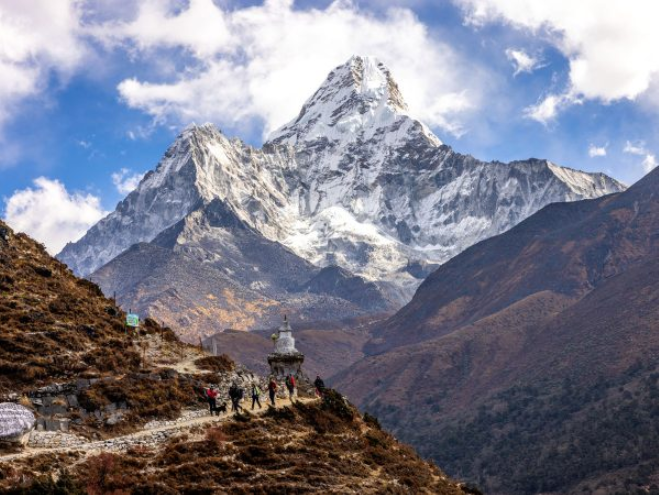

The Everest Base Camp Trek is one of the most celebrated trekking adventures in the world. It takes travelers deep into Nepal’s Khumbu region, where dramatic Himalayan landscapes, traditional Sherpa villages, Buddhist monasteries, and spectacular mountain views create an unforgettable journey.
Reaching Everest Base Camp is not a technical climb, but the trek requires good physical preparation, proper acclimatization, and careful planning. Choosing the right season is equally important because weather and trail conditions can have a major impact on the overall trekking experience.
What Makes the Everest Base Camp Trek Special?
The Everest Base Camp Trek offers much more than a view of Mount Everest. Along the route, trekkers experience the unique culture and daily life of the Sherpa communities while walking through some of the most impressive landscapes in the Himalayas.
Popular highlights include Namche Bazaar, Tengboche Monastery, Dingboche, Lobuche, Everest Base Camp, and Kala Patthar. Kala Patthar is particularly popular for its panoramic views of Mount Everest and the surrounding peaks.
The trail also passes through suspension bridges, alpine forests, rocky valleys, and high-altitude landscapes that gradually change as you approach Base Camp.
Best Time for Everest Base Camp Trek
The Best Time for Everest Base Camp Trek is generally during spring and autumn, when trekking conditions are typically more favorable.
Spring Season: March to May
Spring is one of the most popular periods for trekking in the Everest region. The weather is generally suitable for long trekking days, and the lower valleys can become colorful with blooming rhododendrons.
March can still be relatively cold at higher elevations, while April and May often offer comfortable trekking conditions. As the season progresses, mountain views can sometimes become less clear because of increasing atmospheric haze.
Spring is an excellent choice for trekkers who want a combination of pleasant temperatures, beautiful landscapes, and a lively trekking atmosphere.
Autumn Season: September to November
Autumn is widely regarded as another excellent season for the Everest Base Camp Trek. Following the monsoon, the skies often become clearer, providing impressive views of the Himalayan peaks.
October is particularly popular because of generally stable weather and excellent visibility. November remains suitable for trekking, although temperatures become colder, especially at higher elevations.
For travelers who prioritize clear mountain views and stable conditions, autumn is often one of the best choices.
Trekking During Winter
Winter, from December to February, can be challenging but rewarding for experienced trekkers.
Temperatures can become extremely cold at higher elevations, and snowfall may affect sections of the trail. However, fewer people on the trail can provide a quieter and more peaceful experience.
Winter trekking requires appropriate cold-weather equipment and greater flexibility because weather conditions can change quickly.
Trekking During the Monsoon
The monsoon period generally falls between June and August. Rain and clouds can make trekking conditions more difficult, particularly on lower sections of the route.
Flights to and from the Everest region may also be affected by poor weather and reduced visibility. However, travelers who prefer fewer crowds may still consider trekking during this period with appropriate planning.
How Long Does the Everest Base Camp Trek Take?
A typical Everest Base Camp Trek takes approximately 12 to 16 days, although the exact duration depends on the itinerary and acclimatization schedule.
A responsible itinerary usually includes rest and acclimatization days at strategic points such as Namche Bazaar and Dingboche. These days are important because they allow your body to gradually adjust to increasing altitude.
Trying to complete the trek too quickly can increase the physical difficulty and may increase the risk of altitude-related problems.
Physical Preparation for the Trek
You do not need professional mountaineering experience to complete the Everest Base Camp Trek, but good fitness is important.
Before traveling, it is helpful to prepare with:
- Regular hiking and long-distance walking
- Uphill and downhill training
- Cardiovascular exercises
- Leg and core strengthening
- Practice hikes with a backpack
- Gradually increasing walking distance
Mental preparation is also important. Some trekking days can be long, and conditions at higher elevations can be physically demanding.
Altitude and Acclimatization
Altitude is one of the biggest challenges of the Everest Base Camp Trek. As elevation increases, the body receives less oxygen, making gradual acclimatization essential.
A good trekking itinerary should allow enough time for adaptation rather than focusing solely on reaching Base Camp as quickly as possible.
Trekkers should pay attention to symptoms such as headaches, dizziness, nausea, unusual tiredness, or breathing difficulties. If symptoms become severe or continue to worsen, descending to a lower elevation and seeking medical assistance is important.
What Should You Pack?
Packing correctly can make the trek considerably more comfortable. Essential items may include:
- Comfortable and well-broken-in trekking boots
- Warm base layers and insulating clothing
- Waterproof jacket and trousers
- Warm hat and gloves
- Sleeping bag suitable for cold temperatures
- Sunglasses and sunscreen
- Reusable water bottle or hydration system
- Trekking poles
- Headlamp
- First-aid supplies
- Personal medications
- Power bank
- Comfortable backpack
- Personal hygiene items
Your packing list should be adjusted according to the season in which you travel.
Key Points to Remember
Before starting your Everest adventure, keep these important points in mind:
- Choose the right season: Spring and autumn generally offer the most favorable trekking conditions.
- Allow enough time: A proper itinerary should include acclimatization days.
- Prepare physically: Regular hiking and cardiovascular training can make the trek easier.
- Pack for changing weather: Mountain conditions can change quickly.
- Take altitude seriously: Listen to your body and never ignore worsening symptoms.
- Choose reliable support: Experienced guides and reputable trekking operators can make the journey smoother.
- Keep flexibility: Weather can affect flights and trekking schedules.
- Protect the environment: Follow responsible trekking practices and respect local communities and traditions.
Why Timing Matters for the Everest Base Camp Trek
Choosing the right time is not simply about finding the warmest weather. It is about balancing visibility, trail conditions, temperature, crowds, and your personal trekking preferences.
If clear mountain views and relatively stable conditions are your priorities, autumn is an excellent option. Spring is also a great choice, particularly for travelers who want to enjoy blooming vegetation and an energetic trekking environment.
Winter can appeal to experienced trekkers looking for solitude, while monsoon trekking is more challenging and requires additional planning.
Conclusion
The Everest Base Camp Trek is an extraordinary journey that combines adventure, Himalayan scenery, local culture, and personal achievement. From the lively streets of Namche Bazaar to the peaceful surroundings of Tengboche and the dramatic landscape surrounding Everest Base Camp, every stage of the trek offers something memorable.
For most travelers, the Best Time for Everest Base Camp Trek is during spring (March to May) or autumn (September to November) because these seasons generally provide favorable trekking conditions and impressive mountain views.
However, the best season ultimately depends on your priorities, experience, and tolerance for cold or changing weather. With proper preparation, a well-designed itinerary, adequate acclimatization, and the right equipment, the journey to Everest Base Camp can become one of the most rewarding adventures of a lifetime.