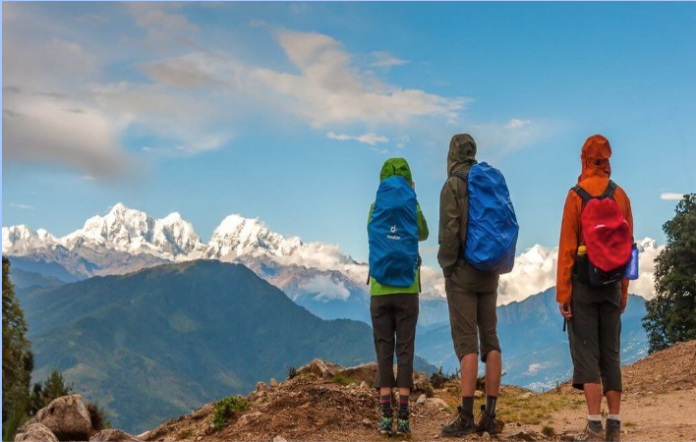

Nepal offers an extraordinary range of mountain adventures, from peaceful trekking routes through traditional villages to challenging peak-climbing expeditions in the high Himalayas. The Pikey Peak Trekking Trail and Lobuche East Peak Climbing represent two very different ways to experience the Nepalese mountains. Pikey Peak is known for its peaceful trails, cultural encounters, and magnificent Himalayan panoramas, while Lobuche East combines trekking in the Everest region with the challenge of climbing a Himalayan peak.
Both adventures provide spectacular scenery, but they are designed for travelers with different levels of experience, time, and physical preparation.
Pikey Peak Trekking Trail
The Pikey Peak Trekking Trail is located in the lower Everest region and has gained popularity among travelers seeking beautiful Himalayan views away from some of the busier trekking routes. The trek takes visitors through quiet mountain settlements, forests, terraced fields, and traditional Sherpa communities.
One of the greatest attractions of Pikey Peak is its panoramic mountain scenery. From the higher sections of the trail, trekkers can enjoy views of several Himalayan giants, including Mount Everest, Makalu, Kanchenjunga, Lhotse, and other surrounding peaks when weather conditions are clear.
The route also provides an opportunity to experience Sherpa culture in a more peaceful setting. Monasteries, prayer flags, traditional houses, and local villages add a cultural dimension to the natural scenery.
Unlike some longer Everest-region treks, the Pikey Peak route can be completed within a relatively short period. This makes it an appealing option for travelers who want a Himalayan trekking experience without spending several weeks on the trail.
Key Points of Pikey Peak Trekking Trail
- Region: Lower Everest and Solukhumbu
- Typical duration: Around 6–10 days, depending on the itinerary
- Difficulty: Moderate
- Major highlight: Panoramic Himalayan mountain views
- Highest point: Pikey Peak area, around 4,000 meters
- Landscape: Forests, ridges, valleys, farmland, and mountain villages
- Cultural experience: Sherpa communities and Buddhist monasteries
- Best for: Nature lovers, photographers, beginners with good fitness, and experienced trekkers
- Special attraction: Peaceful trails and spectacular sunrise views
The sunrise from Pikey Peak is particularly memorable. Early in the morning, the changing light gradually illuminates the Himalayan peaks, creating a dramatic landscape that rewards trekkers for the early start.
Lobuche East Peak Climbing
For travelers looking for a more demanding Himalayan challenge, Lobuche East Peak Climbing offers an exciting combination of trekking and mountaineering. Lobuche East rises to approximately 6,119 meters and is located in the Everest region, making it a popular objective for climbers who want to gain experience on a Himalayan summit.
The adventure usually begins with a trek through the Khumbu region, following trails that pass through famous mountain settlements and eventually reach the higher valleys surrounding Everest. Along the way, climbers experience some of the most recognizable landscapes in Nepal, including views of Ama Dablam, Pumori, Nuptse, Everest, and other impressive peaks.
The climbing section requires considerably more preparation than a standard trek. Depending on conditions and the chosen route, climbers may need to use crampons, ropes, harnesses, and an ice axe. Previous high-altitude trekking experience and basic mountaineering skills are strongly beneficial.
Acclimatization is also an essential part of the journey. Spending sufficient time at altitude allows the body to adapt and can make the summit attempt safer and more manageable.
Key Points of Lobuche East Peak Climbing
- Region: Everest/Khumbu region
- Peak elevation: Approximately 6,119 meters
- Difficulty: Challenging
- Typical duration: Around 16–20+ days, depending on the itinerary
- Major attraction: Himalayan peak-climbing experience
- Landscape: Glacial valleys, high mountain passes, villages, and dramatic peaks
- Skills: Basic mountaineering knowledge is highly beneficial
- Equipment: Crampons, harness, ice axe, helmet, ropes, and suitable high-altitude clothing
- Best for: Experienced trekkers and aspiring mountaineers
The climb is not simply about reaching the summit. The journey through the Khumbu region is an important part of the experience. Passing through Sherpa villages and Buddhist monasteries while surrounded by some of the world’s most famous mountains creates a unique sense of adventure.
Pikey Peak Trek vs. Lobuche East Peak Climbing
Although both adventures take place in the Nepalese Himalayas, their character is quite different.
The Pikey Peak Trekking Trail is primarily a trekking experience. It focuses on scenic walking, cultural discovery, peaceful villages, forests, and panoramic mountain views. It is suitable for travelers who want a challenging but non-technical Himalayan trek.
Lobuche East Peak Climbing is a much more demanding undertaking. It combines high-altitude trekking with an actual summit attempt and requires greater physical preparation, specialized equipment, acclimatization, and appropriate climbing support.
Travelers with limited time and no mountaineering experience may find Pikey Peak more suitable. Those who have previous trekking experience and want to progress toward Himalayan climbing may consider Lobuche East.
Best Time for Both Adventures
Spring and autumn are generally considered the most favorable seasons for Himalayan trekking and climbing in Nepal. Spring offers relatively stable conditions and pleasant temperatures at lower elevations, while autumn is often associated with clear mountain views following the monsoon.
Winter brings much colder conditions and increased snow at higher elevations. The Lobuche East summit attempt can become particularly demanding during severe winter weather.
The monsoon season can create wet and slippery trails in lower areas and may affect visibility and transportation. Regardless of the season, mountain weather can change quickly, so preparation is essential.
Preparation and Safety
Preparation should reflect the difficulty of the chosen adventure. Pikey Peak trekkers should build good walking endurance before the trip, while Lobuche East climbers need considerably stronger physical conditioning and appropriate altitude and mountaineering preparation.
For Lobuche East, climbers should be comfortable using essential mountaineering equipment and should follow the guidance of experienced climbing professionals. Acclimatization days should not be treated as optional, particularly when traveling above 5,000 meters.
For both journeys, suitable footwear, layered clothing, rain protection, sun protection, a reliable backpack, water bottles, and basic first-aid supplies are important.
Responsible trekking is equally valuable. Travelers should minimize waste, respect local customs, protect the mountain environment, and support local communities whenever possible.
Conclusion
The Pikey Peak Trekking Trail and Lobuche East Peak Climbing showcase two remarkable sides of Nepal’s Himalayan adventure culture. Pikey Peak provides a peaceful and rewarding trekking experience, combining Sherpa culture, beautiful forests, traditional villages, and outstanding views of the world’s highest mountains.
Lobuche East Peak Climbing, in contrast, takes the adventure to a higher level by combining the classic Everest-region trekking experience with the challenge of climbing a Himalayan summit. It is an excellent objective for experienced trekkers who want to develop their mountaineering skills and experience high-altitude climbing.
The right choice ultimately depends on your experience, fitness, available time, and personal goals. Whether you choose the tranquil trails of Pikey Peak or the demanding ascent of Lobuche East, both journeys offer an unforgettable opportunity to experience the beauty and grandeur of the Nepalese Himalayas.